Generator Leak Repair in Provo, UT
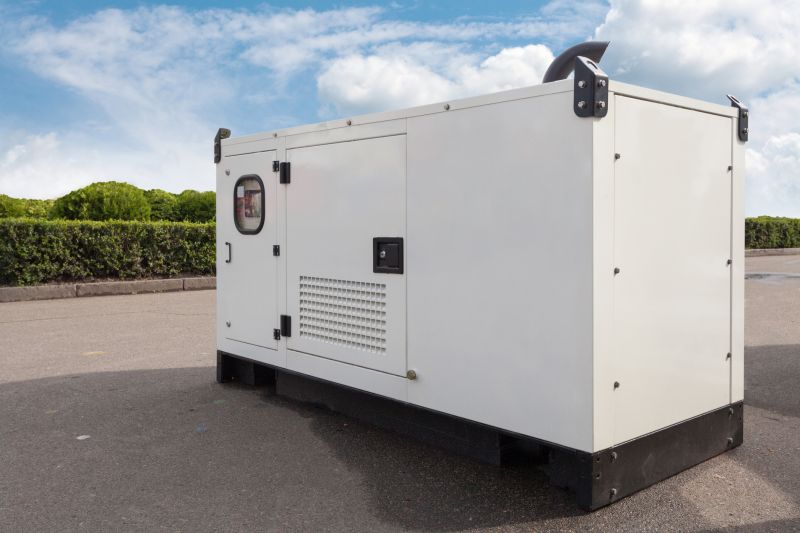
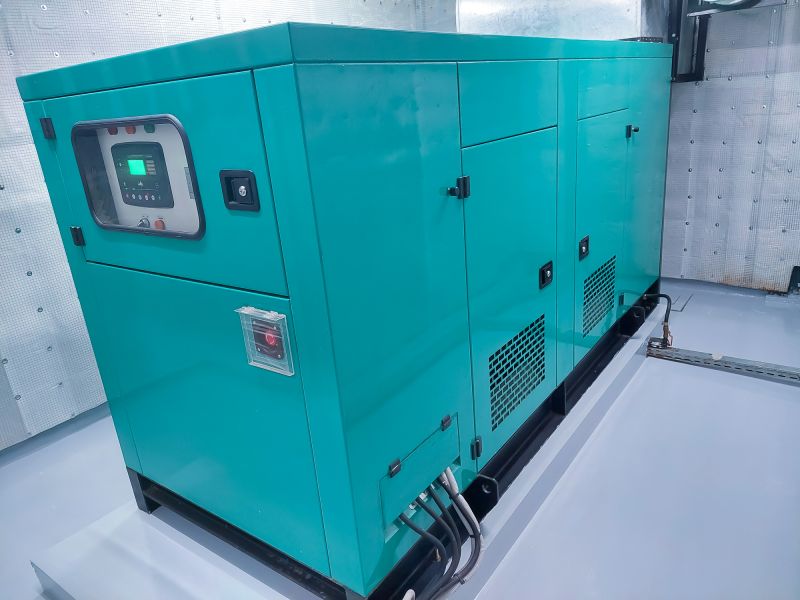
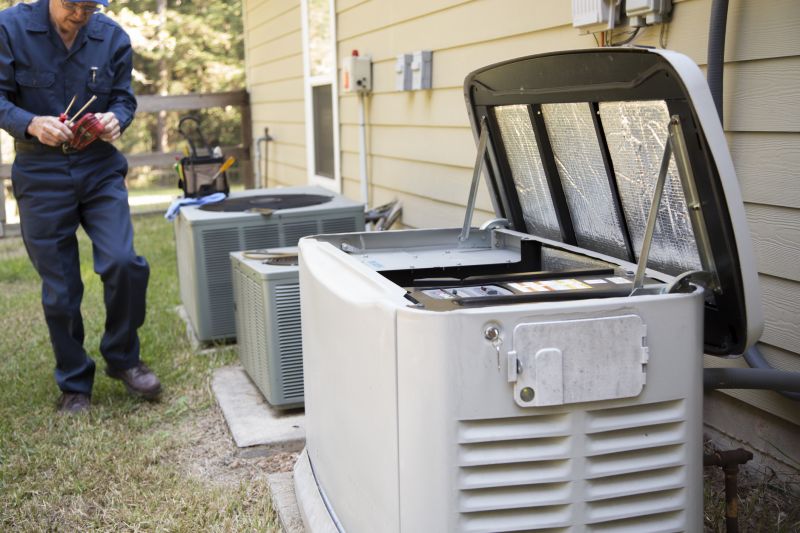
Generator leak repair services focus on identifying and fixing leaks in generators to prevent potential damage and ensure proper operation. These projects typically involve inspecting the generator for signs of fluid leaks, which may include oil, coolant, or fuel, and addressing the source of the leak through repairs or part replacements. Property owners often request this service when they notice puddles beneath the generator, a decrease in fluid levels, or unusual odors, aiming to maintain the safety and efficiency of their backup power systems.
Before requesting generator leak repair, property owners usually want to understand the extent of the leak, the potential causes, and the recommended repair methods. Clarifying whether the issue involves minor seal failures or more significant component damage can help in planning the necessary work. Additionally, knowing the types of fluids involved and the generator’s age or maintenance history can assist in making informed decisions about repairs and ongoing upkeep.
Many property owners in Provo, UT look into Generator Leak Repair for repairs, replacements, upgrades, and appearance-related improvements.
Generator Leak Causes
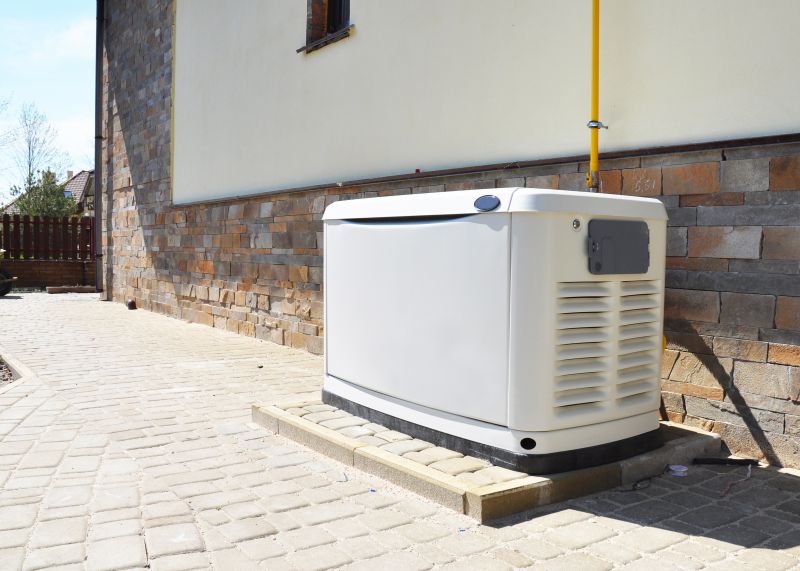
Leaks can result from worn seals, corrosion, or improper installation in residential generators.
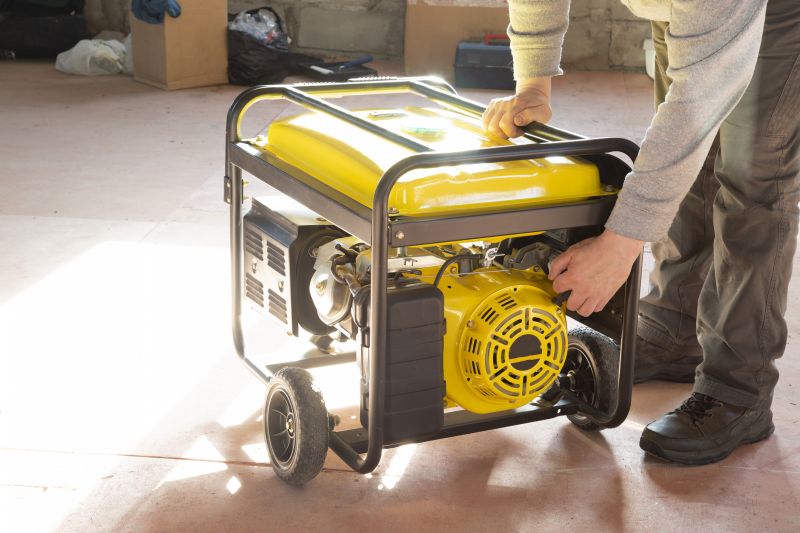
Signs Of A Leak
Common indicators include puddles beneath the generator, unusual noises, or a drop in performance.
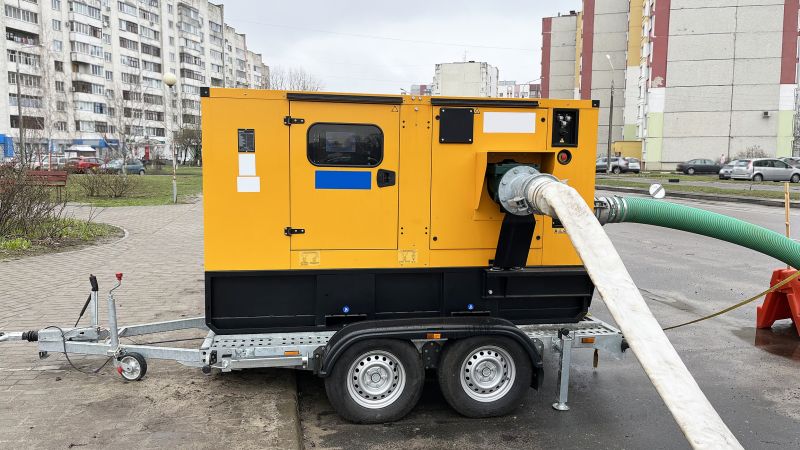
Repair Solutions
Leak repair often involves sealing leaks, replacing damaged components, and ensuring proper system function in provo homes.
Generator Leak Repair in Provo, UT
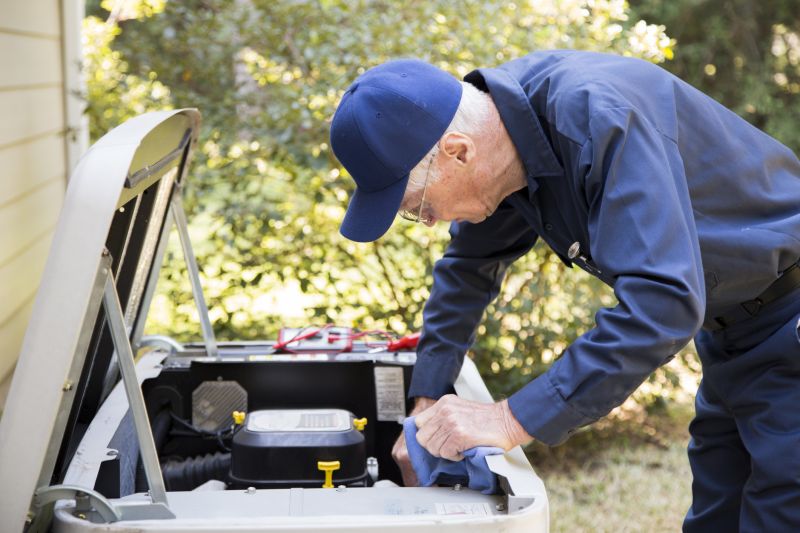
Generator leak repair services focus on identifying and fixing leaks in generators to prevent potential damage and ensure proper operation. These projects typically involve inspecting the generator for signs of fluid leaks, which may include oil, coolant, or fuel, and addressing the source of the leak through repairs or part replacements. Property owners often request this service when they notice puddles beneath the generator, a decrease in fluid levels, or unusual odors, aiming to maintain the safety and efficiency of their backup power systems.
Before requesting generator leak repair, property owners usually want to understand the extent of the leak, the potential causes, and the recommended repair methods. Clarifying whether the issue involves minor seal failures or more significant component damage can help in planning the necessary work. Additionally, knowing the types of fluids involved and the generator’s age or maintenance history can assist in making informed decisions about repairs and ongoing upkeep.
Many property owners in Provo, UT look into Generator Leak Repair for repairs, replacements, upgrades, and appearance-related improvements.
Common Generator Leak Repair Jobs
Generator leak repairs involve identifying and sealing leaks to prevent fuel or oil loss.
Fuel tank repairs address cracks or corrosion that can cause leaks in generator systems.
Sealing and patching services help stop leaks in generator fuel lines and connections.
Leak detection services locate hidden leaks in generator components for targeted repairs.
Corrosion repair restores damaged generator parts to prevent future leaks.
Preventive maintenance includes inspections to catch potential leaks early and avoid costly repairs.
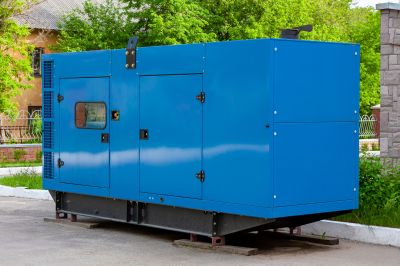
Generator Leak Repair Questions
What causes generator leaks? Leaks can result from worn seals, cracked hoses, or corrosion over time, leading to fluid escaping from the generator.
How can I tell if my generator has a leak? Signs include visible fluid puddles, dampness around the generator, or a drop in fluid levels during inspections.
What types of fluids might leak from a generator? Common fluids include oil, coolant, or fuel, depending on the generator's system and condition.
Is leak repair necessary for generator safety? Yes, addressing leaks promptly helps prevent further damage and ensures safe operation of the generator.
Request Generator Leak Repair in Provo, UT
Use the quote form on this page to share the basics of your project and request more information for the type of work you need.